
5 Yoga Poses : Improving flexibility doesn’t require intense workouts or complicated routines. With the right approach, a few simple yoga poses practiced consistently can help loosen tight muscles, increase mobility, and reduce stiffness safely. Whether you sit at a desk all day or want to enhance athletic performance, adding yoga to your routine is one of the most effective and low-impact ways to become more flexible.
This guide covers five beginner-friendly yoga poses that improve flexibility fast while protecting your joints and muscles. Each pose focuses on major muscle groups and can be practiced at home without equipment.
Why Flexibility Is Important for Overall Health
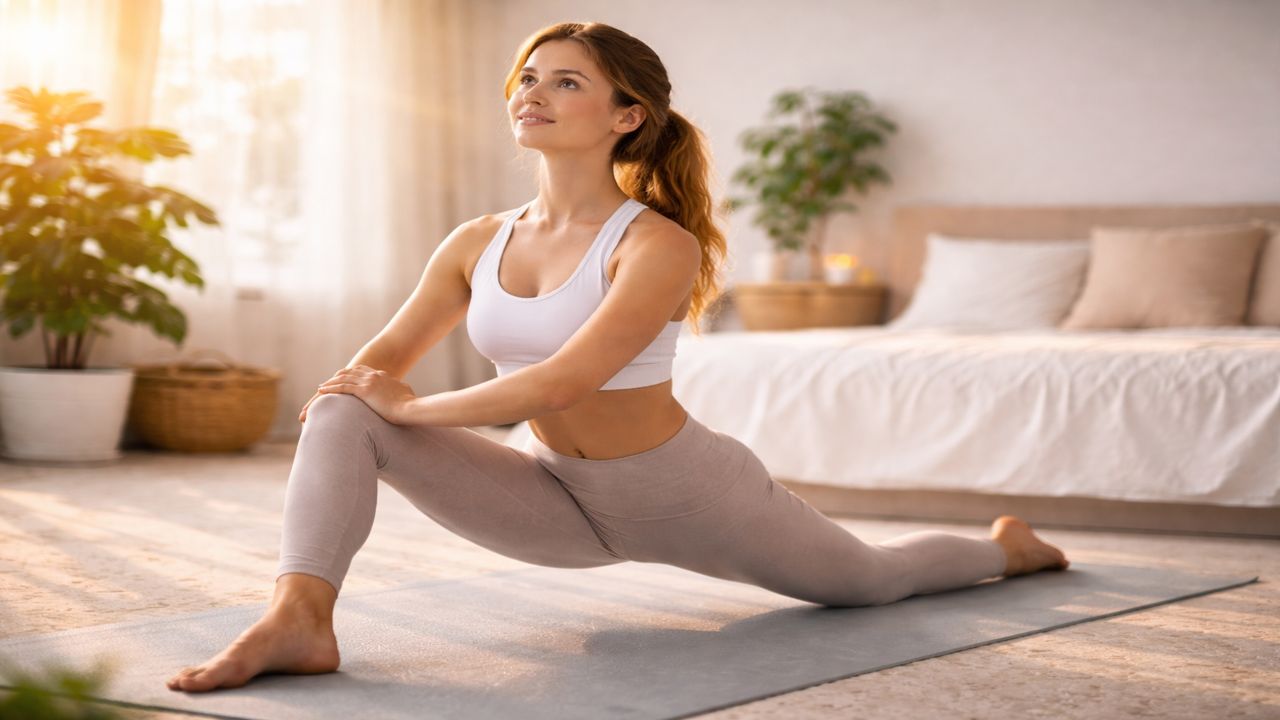
Flexibility is more than just touching your toes. It plays a crucial role in:

- Improving posture
- Reducing muscle tension
- Preventing injury
- Increasing blood circulation
- Supporting better movement patterns
When muscles are tight, the body compensates in ways that can cause discomfort or long-term strain. A regular yoga practice helps restore balance and improve range of motion safely.
1. Downward Facing Dog (Adho Mukha Svanasana)
Best for: Hamstrings, calves, shoulders, spine
This classic yoga pose stretches the entire backside of the body while building gentle strength.

How to do it:
- Start on hands and knees.
- Lift your hips upward, forming an inverted “V” shape.
- Keep your spine long and gently press your heels toward the floor.
- Hold for 30–60 seconds while breathing deeply.
This pose improves flexibility in the hamstrings and calves while relieving lower back tension.
2. Standing Forward Fold (Uttanasana)
Best for: Hamstrings and lower back
Latest Stories
 ₹4.99 Lakh 7-Seater SUV With 2.0L Engine & Luxury Features Ready to Rival Ertiga and Innova
Standing forward fold is a simple yet powerful stretch that releases tension in the spine and legs.
How to do it:
- Stand tall with feet hip-width apart.
- Hinge at your hips and fold forward.
- Let your head and arms relax toward the floor.
- Bend your knees slightly if needed.
Hold for 30 seconds and focus on slow breathing. Over time, this pose increases flexibility safely without forcing the stretch.
3. Butterfly Pose (Baddha Konasana)
Best for: Inner thighs and hips
Tight hips are common due to prolonged sitting. Butterfly pose gently opens the hip area.
How to do it:
- Sit on the floor with the soles of your feet touching.
- Let your knees drop outward naturally.
- Sit tall and gently lean forward if comfortable.
Hold for 45–60 seconds while keeping your back straight. This pose helps improve hip mobility and reduces stiffness.
4. Low Lunge (Anjaneyasana)
Best for: Hip flexors and quads
Low lunge stretches the front of the hips — an area often tight in people who sit frequently.
How to do it:
- Step one foot forward into a lunge position.
- Lower your back knee to the ground.
- Keep your chest lifted and hips gently pressing forward.
Hold for 30 seconds on each side. This pose improves flexibility in the hip flexors and enhances balance.
5. Seated Spinal Twist (Ardha Matsyendrasana)
Best for: Spine and side body
Spinal twists increase flexibility in the back and help improve posture.
How to do it:
- Sit with legs extended.
- Bend one knee and cross it over the opposite leg.
- Gently twist toward the bent knee.
Hold for 30 seconds on each side. Twists help release tension in the spine and promote healthy mobility.
Tips to Improve Flexibility Safely
To avoid injury and get faster results, follow these tips:
- Warm up lightly before stretching
- Never force a stretch
- Hold each pose for at least 30 seconds
- Practice consistently (3–5 times per week)
- Focus on breathing slowly and deeply
Flexibility improves gradually. Patience and consistency are more effective than pushing too hard.
How Long Does It Take to See Results?
With regular practice, many people notice improved flexibility within 2–4 weeks. However, results vary depending on consistency, age, and starting flexibility level. The key is gentle repetition rather than intensity.
Frequently Asked Questions (FAQ)
1. How often should I practice yoga to improve flexibility?
For best results, practice yoga at least 3 to 5 times per week. Consistency is more important than duration.
2. Can beginners improve flexibility with yoga?
Yes. Yoga is beginner-friendly and can be modified to suit all flexibility levels. Start slowly and progress gradually.
3. How long should I hold each yoga pose?
Hold each pose for 30 to 60 seconds while maintaining steady breathing.
4. Is it normal to feel tight during stretching?
Mild tension is normal, but sharp pain is not. Always stretch within a comfortable range.
5. Can yoga prevent injuries?
Yes. Improved flexibility reduces muscle tightness and enhances joint mobility, which lowers the risk of injury.
6. What time of day is best for flexibility training?
Morning yoga helps reduce stiffness, while evening sessions may allow deeper stretching since muscles are warmer.