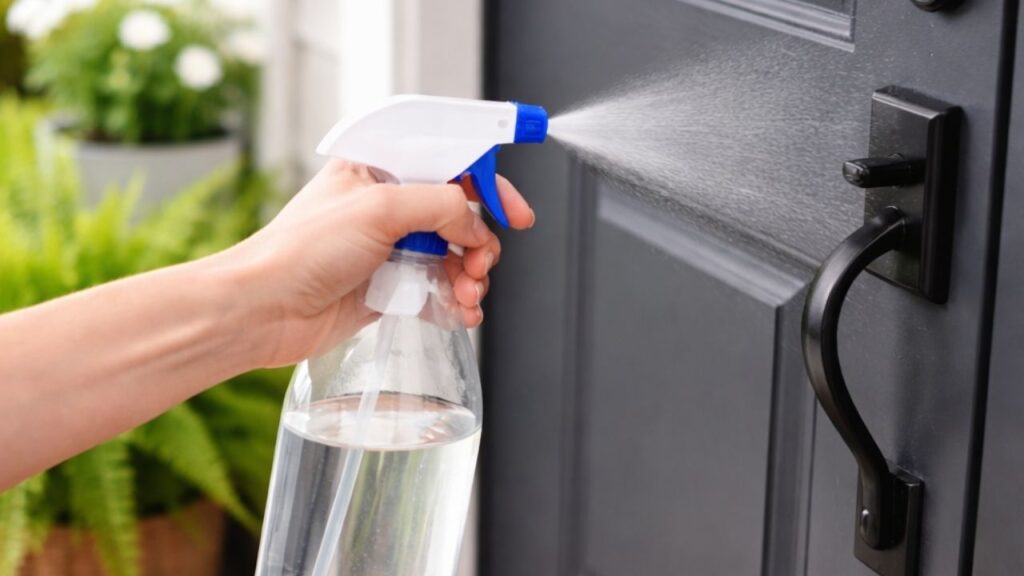
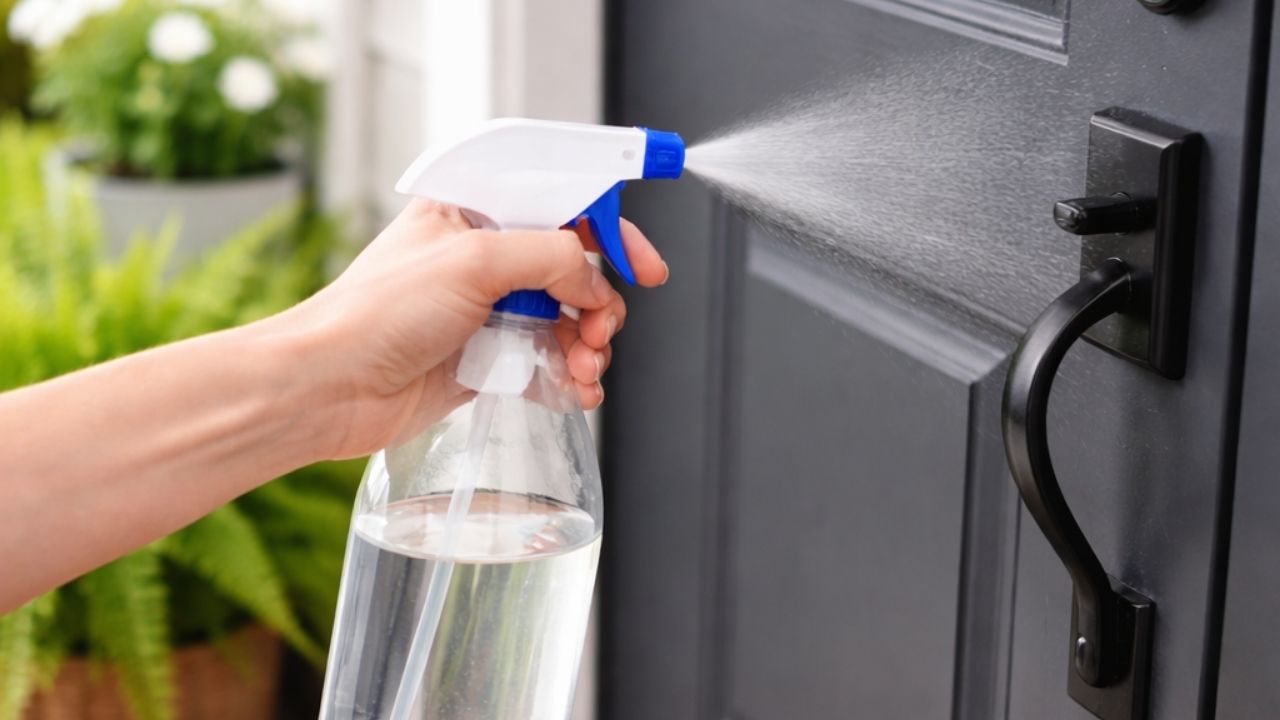
Spraying vinegar on the front door has become a curious practice discussed in many online groups and home advice forums. Some homeowners swear by it as a way to refresh their entrance, deter unwanted pests, or even symbolically cleanse their home environment. But what is the real reason behind this trend, and does it offer any practical benefits?
In this article, we explore the explanations, practical uses, and limitations of spraying vinegar on your front door so you can separate fact from folklore.
What Is Vinegar Used For?

Vinegar is a mild acid made from fermented ethanol. It’s widely used in cooking, household cleaning, and even gardening. Because it is acidic and non-toxic, people often choose white vinegar for safe, everyday home uses.
Latest Stories
 What Is the Real Driving Age Limit? Highway Code Clarifies Mandatory Rules and Key Factors
Common reasons homeowners use vinegar around the house include:
- Natural cleaning without harsh chemicals
- Deodorizing surfaces
- Mild disinfecting
- Removing mineral buildup
- Repelling some insects
Because of these properties, vinegar has developed a reputation as a versatile household item.
Why Do People Spray Vinegar on Their Front Door?
There are a few explanations circulating online about why some people spray vinegar on their front door. The most common reasons include:
Latest Stories
 Africa Is Slowly Splitting Into Two Continents: Scientists Explain the Evidence and What It Means
1. Cleaning Dirt and Grime
Vinegar is effective at loosening dirt and removing buildup on painted or glass surfaces. Spraying it on a front door and wiping it clean can help remove smudges, fingerprints, and dust without using harsh chemicals.
2. Neutralizing Odours
Vinegar has natural deodorizing properties. If your front entrance has absorbed unpleasant smells — such as from neighbourhood pets or smoke — a vinegar spray can help neutralize these odours.
3. Natural Pest Deterrent
Some people believe that the strong scent of vinegar can help deter insects such as ants and spiders from entering through cracks or around door frames. While vinegar won’t stop all pests, it can discourage some nuisance insects.
Latest Stories
 New Rule Allows Immediate Suspension for P-Plate Drivers, Australia Road Safety Update
4. Symbolic Cleansing or Tradition
In certain cultures and home-care communities, spraying vinegar at the entrance symbolizes a form of energetic cleansing or ritual purification. It is more symbolic than scientifically grounded, but some households find the tradition reassuring.
How to Use Vinegar on Your Front Door
If you choose to use vinegar for cleaning or deodorizing your front door, here are safe and practical steps:
Materials needed:

- White distilled vinegar
- Water
- Spray bottle
- Soft cloth or microfiber towel
Steps:
- Mix equal parts white vinegar and water in a spray bottle.
- Lightly mist the front door area.
- Let it sit for a few minutes.
- Wipe with a clean, dry cloth.
Always test a small, inconspicuous area first, especially on painted or treated wood, to ensure the vinegar does not affect the finish.
Limitations and Misconceptions
While vinegar has many household uses, it does have limitations:

- Not a strong disinfectant: Vinegar is not as effective as commercial disinfectants at killing viruses or bacteria.
- May damage finishes: Undiluted vinegar can affect paint, wood, or metal if left on the surface too long.
- Limited pest control: Vinegar may deter some insects, but it is not a replacement for proper pest management.
Understanding what vinegar can and cannot do helps set realistic expectations.
Safety Considerations
Using vinegar responsibly matters. Here are a few points to consider:
- Avoid using vinegar on natural stone or certain wood finishes, as acidity can dull or damage surfaces.
- Keep vinegar away from eyes and pets. While non-toxic, the strong scent can be irritating.
- Do not rely on vinegar for serious pest infestations or sanitation — professional products and services may be more appropriate.
Frequently Asked Questions
1. Does spraying vinegar on a front door help clean it effectively?
Yes, when diluted with water, vinegar can help remove light dirt, dust, and smudges on many door surfaces. Always test in a small area first.
Latest Stories
 2026 Mercedes Motorhome Launched With Powerful Engine, Luxury Features & Affordable Price Tag
2. Can vinegar really deter insects at the doorway?
Vinegar’s scent may discourage some insects temporarily, but it is not a long-term pest control solution.
3. Is spraying vinegar a good way to remove odours?
Vinegar can neutralize mild odours, but strong or persistent smells may require additional cleaning methods.
4. Can vinegar damage my front door finish?
If used undiluted or left on too long, vinegar can dull or affect paint and wood finishes. Use a vinegar-water mixture and wipe it off promptly.

5. Does vinegar disinfect surfaces like commercial cleaners?
No. Vinegar has mild antibacterial properties but is not as effective as cleaners designed to kill viruses or hard-to-kill bacteria.
6. Is spraying vinegar a cultural or symbolic practice?
In some traditions, vinegar is used symbolically to cleanse or refresh a home entrance. This is more a matter of personal preference than scientific evidence.
Latest Stories
 5 Yoga Poses to Improve Flexibility Quickly and Safely