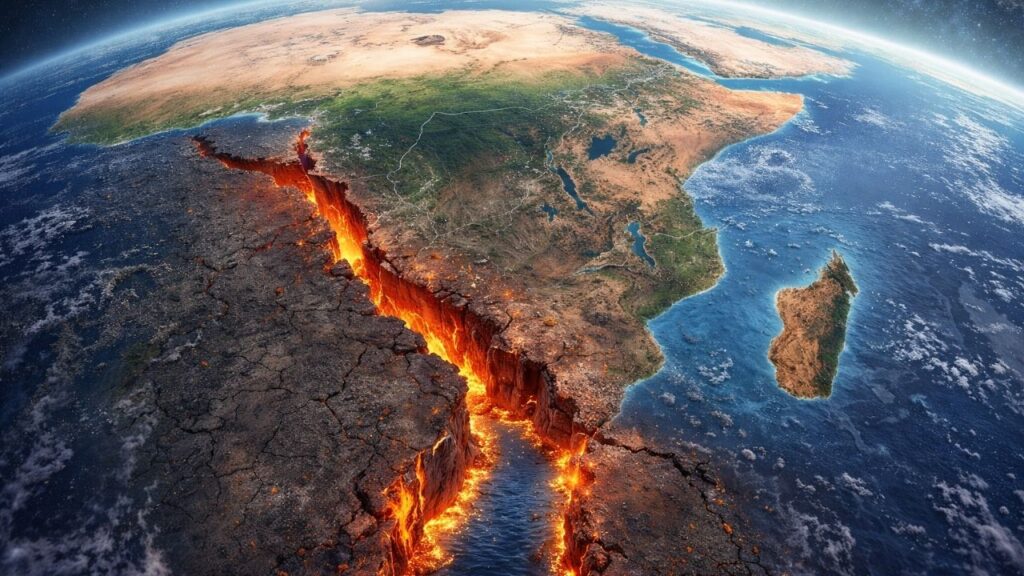
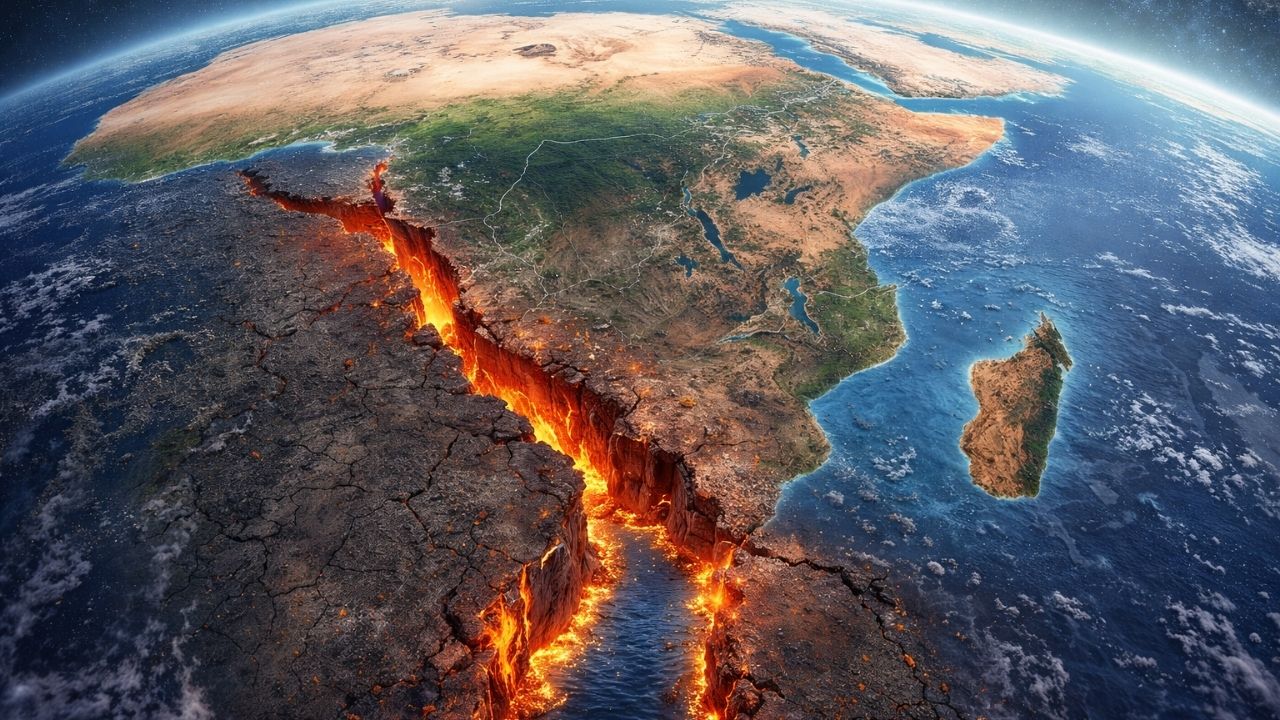
Geologists have confirmed that Africa is gradually separating into two distinct landmasses due to powerful tectonic forces beneath the Earth’s surface. Although the process is moving at an extremely slow pace, scientists believe that over millions of years, this geological shift could eventually create a new ocean.
The phenomenon is centered around the East African Rift System, one of the most significant tectonic features on the planet. While the timeline for major visible change spans millions of years, researchers say the process is already well underway.
What Is Causing Africa to Split?

The Earth’s outer layer, known as the lithosphere, is divided into massive tectonic plates that constantly move. Africa sits on two primary plates: the Nubian Plate and the Somali Plate. Over time, these plates have been slowly pulling away from each other.
Latest Stories
 New Rule Allows Immediate Suspension for P-Plate Drivers, Australia Road Safety Update
This separation creates tension in the Earth’s crust, resulting in cracks, rifts, and volcanic activity. The East African Rift stretches thousands of kilometers from the Red Sea down through eastern Africa, marking the visible boundary of this slow continental division.
The rate of movement is estimated to be just a few millimeters per year. Although that may seem insignificant, over millions of years it adds up to dramatic geological transformation.
The East African Rift System Explained
The East African Rift is a vast geological fracture zone running through countries such as Ethiopia, Kenya, Tanzania, and Mozambique. It is divided into two main branches:

- The Eastern Rift Valley
- The Western Rift Valley
These rift valleys are characterized by deep cracks, volcanic mountains, and seismic activity. In some regions, massive fissures have opened in the ground, drawing global attention to the ongoing continental shift.
In 2018, a large crack appeared in Kenya following heavy rainfall and seismic activity. While rainfall contributed to the visible damage, scientists confirmed that the underlying cause was tectonic plate movement.
Could a New Ocean Really Form?
Geologists believe that if the separation continues over millions of years, the gap between the two plates will widen enough for seawater to fill in, eventually forming a new ocean basin. This process is similar to how the Atlantic Ocean formed when South America separated from Africa around 200 million years ago.

If this transformation occurs, eastern Africa could become an isolated landmass separated by a new ocean. However, experts emphasize that this is a very long-term process and not something that will happen within human timescales.
What This Means for Africa
Although the formation of a new ocean is millions of years away, the ongoing tectonic movement has immediate effects. These include:
- Increased volcanic activity
- Earthquakes
- Gradual landscape changes
- Shifting ecosystems
Communities living near the rift zones may experience occasional seismic events, but most changes occur gradually.
Latest Stories
 2026 Mercedes Motorhome Launched With Powerful Engine, Luxury Features & Affordable Price Tag
Scientists continue to monitor the region using satellite data, GPS tracking, and geological surveys to better understand how quickly the plates are moving and what future changes may occur.
Scientific Evidence Supporting the Split
Multiple lines of evidence confirm that Africa is slowly dividing:
- GPS measurements show consistent plate movement.
- Seismic activity indicates tectonic tension beneath the surface.
- Volcanic eruptions align with plate boundaries.
- Deep rift valleys demonstrate crustal thinning.
These findings collectively support the theory that the continent is undergoing long-term geological separation.

How Long Will the Process Take?
Most geologists estimate that it could take between 5 to 10 million years for a fully formed ocean to develop. Continental drift is one of the slowest but most powerful forces shaping the Earth.
While the split is scientifically significant, it does not pose an immediate threat to the continent’s current geography.
Frequently Asked Questions
1. Is Africa really splitting into two continents?
Yes. Scientific research confirms that the African continent is gradually separating along the East African Rift due to tectonic plate movement.
Latest Stories
 5 Yoga Poses to Improve Flexibility Quickly and Safely
2. How fast is Africa splitting?
The plates are moving apart at a rate of a few millimeters per year. Though slow, this movement accumulates over millions of years.
3. Will a new ocean actually form?
Geologists believe that if the process continues, seawater could eventually flood the rift valley, forming a new ocean basin in millions of years.
4. Is this dangerous for people living in Africa?
The process itself is not immediately dangerous, but regions near the rift may experience occasional earthquakes or volcanic activity.

5. Which countries are affected by the East African Rift?
The rift system runs through Ethiopia, Kenya, Tanzania, Mozambique, Uganda, Rwanda, and several other eastern African nations.
6. Has this happened before in Earth’s history?
Yes. The Atlantic Ocean formed when tectonic plates separated Africa and South America millions of years ago.
7. Could the split change global geography?
Over millions of years, yes. The shape of continents could change significantly as tectonic plates continue to move.